

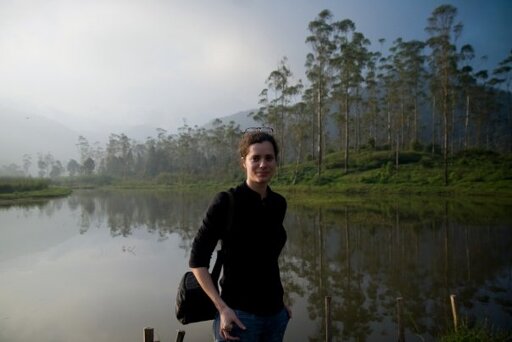
For Isabel Esterman, impact in her journalism doesn’t come from a single ground-breaking story, but from several years of sustained reporting that gradually reshape global understanding. “What I think about is the topics we’ve really stayed on and broken ground on that have changed the way people think and talk about issues,” she says. “It’s not one story, but this collective body of reporting, and staying on it has been significant.” This long-term approach has yielded tangible outcomes from many of Esterman’s projects, from scrutinizing carbon credit land deals in Malaysia to raising awareness about ritual use as a previously overlooked driver of ape trafficking in Africa. A major example is Mongabay’s reporting on the Sumatran rhino. When Esterman and her team began covering the species, official estimates suggested more than 100 remained. But Mongabay’s investigations indicated numbers closer to 30 in the wild. Thanks to this breadth of coverage, today’s official estimates now reflect this reality. ”Being able to have a more realistic figure to work with makes a big difference for conservation,” she says. Since joining Mongabay in 2016, Esterman has become one of the organization’s longest-tenured staff, and now serves as managing editor for Southeast Asia. Her work involves navigating shrinking press freedoms and safety risks that shape what can be reported and how. When working with local journalists in Southeast Asia, risk assessment is essential to ensuring environmental stories are covered safely and responsibly. “That means responsibility to our reporters — almost all are based in…This article was originally published on Mongabay
From Conservation news via this RSS feed