

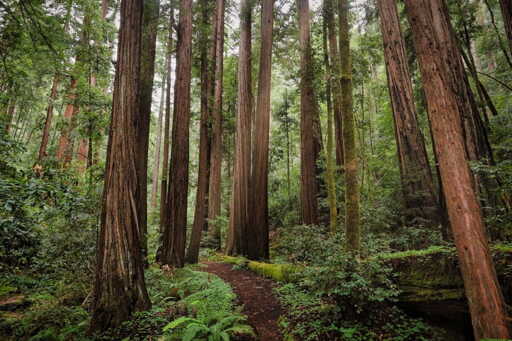
I am often asked what Mongabay’s legacy is, or what it might turn out to be. The question usually comes with an assumption that a quarter-century of publishing should yield a tidy answer. It does not. Mongabay did not begin with a theory of media change, nor with an ambition to redefine environmental journalism. It began with a website, a fascination with tropical forests, and a sense that large parts of the world’s environmental story were being poorly covered or not covered at all. Environmental journalism long predates Mongabay. It has roots in natural history writing, investigative reporting, and advocacy journalism, each with its own traditions and strengths. Mongabay did not invent the field. What it did do, gradually and sometimes unintentionally, was to occupy a space that many larger outlets were leaving behind: sustained, detailed reporting on ecosystems and communities far from centers of power, produced with the assumption that these places mattered in their own right. For much of its existence, Mongabay has focused on what happens at the margins of global attention. Tropical forests, coral reefs, small island fisheries, Indigenous territories, and remote mining frontiers rarely compete well with elections, wars, or financial crises. Yet these places often sit at the center of planetary risk. Covering them well requires time, local knowledge, and a tolerance for stories that do not resolve neatly. Baobab tree in Western Madagascar. Photo by Rhett Ayers Butler. One element of Mongabay’s legacy lies in persistence. Many news organizations cover environmental issues episodically,…This article was originally published on Mongabay
From Conservation news via this RSS feed