

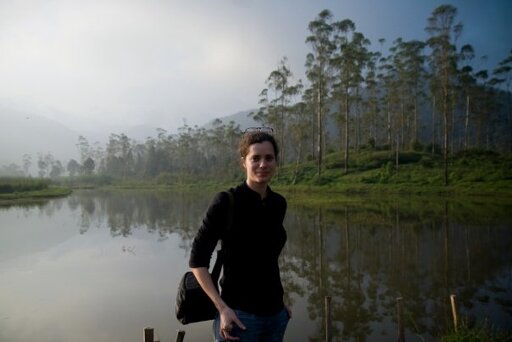
For Isabel Esterman, journalism’s influence is often cumulative. It comes from staying with a subject long enough for the evidence to become harder to ignore. “It’s not one story,” she tells Alejandro Prescott-Cornejo, “but this collective body of reporting, and staying on it has been significant.” That idea runs through her work at Mongabay, where she has been on staff since 2016 and now serves as managing editor for Southeast Asia. Much of the industry moves quickly from one subject to the next. Esterman has tended to stay put — to ask what happens if a newsroom keeps reporting after the first headlines fade. The Sumatran rhino (Dicerorhinus sumatrensis) is one example. When Mongabay began sustained coverage, official estimates put the wild population above 100. Reporting led by the newsroom suggested something closer to 30. Over time, the official figures moved. The revision was grim, but useful. “Being able to have a more realistic figure to work with makes a big difference for conservation,” she says. It was a similar story with a proposed carbon credit land deal in Malaysia. Mongabay did not arrive at the story cold. Years of reporting on land rights and Indigenous communities meant the newsroom heard early signals, then followed the issue closely. The deal stalled. If it proceeds, it will do so under heavier scrutiny. Esterman’s role today is less about bylines than judgment. Much of her work involves assessing risk. Press freedoms across Southeast Asia have narrowed. Sources face retaliation. Reporters do too.…This article was originally published on Mongabay
From Conservation news via this RSS feed