

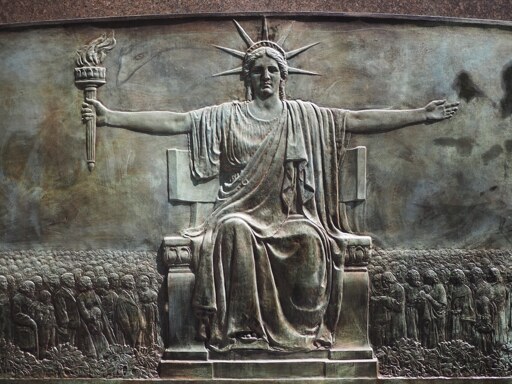
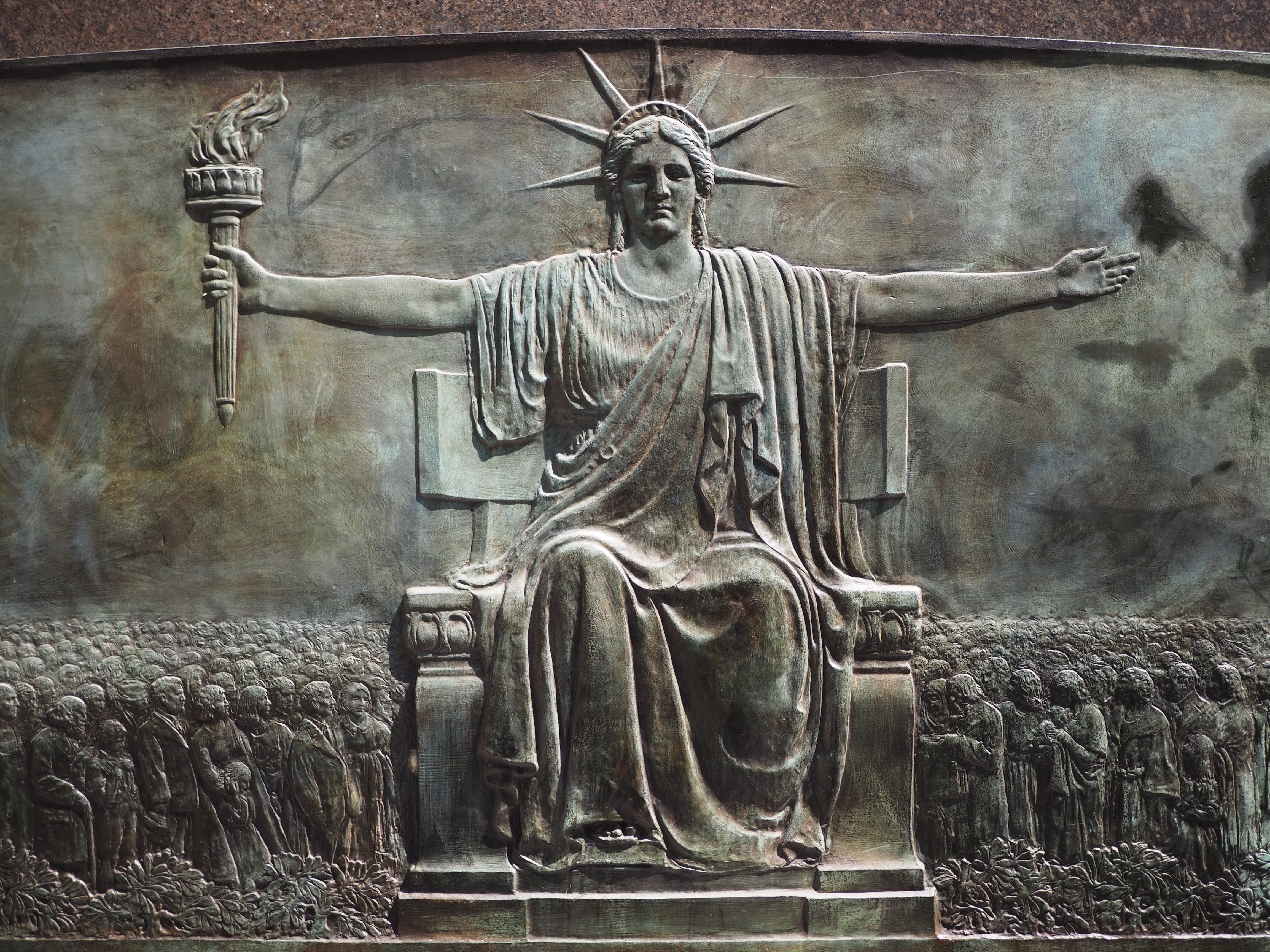
Photograph by Nathaniel St. Clair
Reform vs reinvention: what’s next?
The legal theories in laws give multiple explanations and define laws in different ways according to their own time and social norms. International law is no exception, where states interact in their international relations through a legal system as well. Well, in the discourse of international law, some consider international law not really a “law” as it does not fit in the standard set by the English legal scholar John Austin that law is a command of a sovereign backed by the threat of sanction.
International law is more scrutinized under this definition of Austin, as there are hardly any sanctions and mostly sanctions are politically motivated and do not serve the purpose of justice and the perpetrators of violence commit their atrocities without the threat of sanctions. The politics of international law is more obvious and the weaker states are always dominated by the stronger states. In today times the relevancy of international law is more crucial where the violation of international laws in Gaza, Ukraine, the current crisis between India and Pakistan, tribal wars in Africa for powers, conflict in Yemen and Syria and the recent escalatory war between Iran and Israel, and the USA exceptionalism has never been profound then in the current era of President Trump where he abducted a president of Venezuela and threating to annex Greenland are questioning about the future of international laws and describing them as the failure of international laws.
When states that are the subjects of international law are violating international law on a daily basis without any repercussions, especially in the context of armed conflict, it does hurt the authenticity and credibility of international law. The world that is dominated by VUCA (Volatility, Uncertainty, Complexity and Ambiguity) implementation of law is a daunting task and especially international law is more challenging.
The task is more challenging because MILS ( Mainstream International Law System) is dominated by its colonial heritage where the treaties that have shaped the world today have a systematic and structural flaws that undermine the voices of indigenous people, people who are asking their right of self-determination, that is dominated by treaties that have constrained them to fulfill the wishes of international financial system where they are forced to shape their international financial system under the dominance of dollars and remain under the poverty line where the right of development is only accepted if it is accepted by the superior powers.
The failure and push back of international human rights are more than evident, where IHRL is systematically designed to keep the poor and marginalised refugees left behind, and where cross-cultural understanding of human rights has been rejected. The Global Administrative Law (GAL) prevalent in the world does not think beyond the concept of Western sovereignty and protects the legal personalities of the heads of states, who, without any repercussion attacks the civilian populations and make a mockery of international humanitarian laws.
Therefor it is important to understand the exploitation of MIL to critique it in the right language in which we can speak about its violation, as laws are always lagging behind, but it is a hanging sword that laws always make it way against its violators. It is high time to challenge the MILS and incorporate TWAIL (Third World Approaches toward International Law) perspective in international law, where it addresses the pressing question about sovereignty, legal personality, colonial cartographies and colonial erasures so that international law will be more beneficial and make sense where the norms of international law are challenged every day.
States should seriously consider the norms of international law, as there is a lot of efforts and negotiation that goes behind making the laws it should not go in vain as it is upheld in the principle of pacta sunt servanda that promises to be kept which is also enshrined in the Article 26 of the Vienna Convention on the Law of Treaties and also considered as the Customary international law as well. There are different ways of making ways in international law, as international law is persuasive and needs coordination rather than subordination. The words need coordination more than ever therefor instead of crying about the failure of international law. The States should invest in dissecting and diagnosing their problems and give a new understanding and explanation of international law. International laws that have learn lessons from their past and become better to serve humanity.
It is easier said than done, but we need to strengthen those voices that are questioning and critiquing the MIL to make it better and give states the opportunity to improve and rectify the much-needed changes for the betterment of international law. International laws are the hard-earned efforts of mankind and there is a lot of good in the MIL as well; the efforts done by human civilisation need improvement to make it better and relevant for humanity.
The post The Future of International Law appeared first on CounterPunch.org.
From CounterPunch.org via this RSS feed