


February is technically midwinter in the Northern Hemisphere, when we reach the midpoint between winter and spring. Most places are still deeply immersed in the cold and snow that comes with the winter season, but that doesn’t mean it’s a bad time for growing vegetable seeds.
February happens to be a perfect time for getting the seed starting station together, and for many farmers, it’s a great time to start some of them. Especially for those that take a long time to mature, a good head start makes it possible to grow large quantities of healthy produce more quickly.
Even in areas that will remain snow-covered until May or June, now is the time to plan and get everything in order. Set up your seed starting station, and build any seasonal extension tools that will help you grow big, nutritious vegetables that you can sell at market or to your nearest buyer.
A Word on February Seed Starting
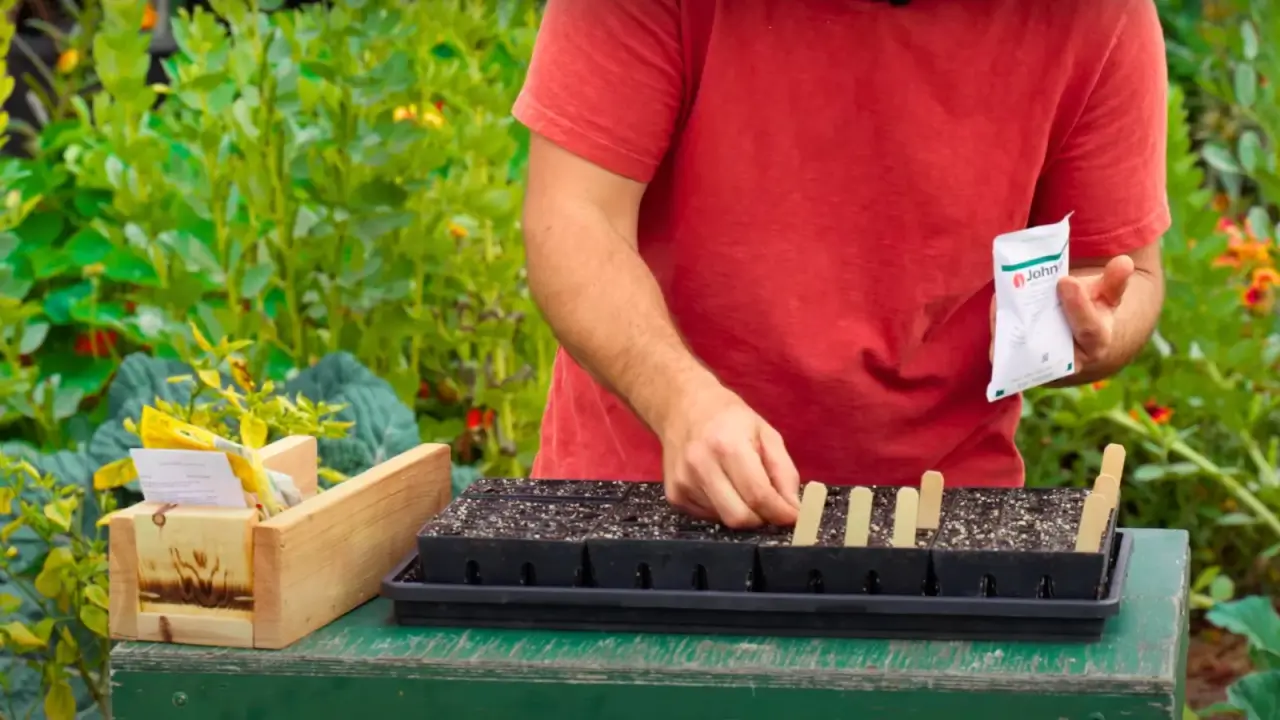
Even in cold climates, gardeners can start seeds in February with the right protections.
If you live in one of these perpetually cold and icy areas that freeze for a long time in winter, you can still start seeds in a protected area. A seed starting station can be in your home, in a controlled environment. A standalone climate-controlled greenhouse is another great option for indoor seed starting when it’s still cold outside.
Cold frames can be climate-controlled, but are typically best used when oriented toward the sun. In this way, cold frames gather thermal energy during the day, which is stored within at night. Low tunnels and high tunnels are great options as well, as they also harness thermal energy to warm the air and soil within.
In areas close to the equator, farmers may not have to worry as much about impending snap freezes. In this case, it’s easy to start seeds in almost any environment, as long as they are not subject to the insect pests that persist all year.
Start These Vegetable Seeds
February is prime for seed starting. As you decide which crops to grow, consider these. Most are suited to the cool temperatures in the period between winter and spring. Some are slow to mature and require lead time to thrive when the weather is warm. Others are simply very slow to germinate.
Slow-Growing Herbs

Plant slow-growing herbs like basil and rosemary in February.
Most herbs take between a week and one month to germinate, which makes them some of the first you should start among other vegetable seeds. February sowing of basil, oregano, and rosemary ensures transplants are mature enough to survive outdoors in the elements.
In very cold regions, transplants need to be sheltered until frost has passed. If your seedlings outgrow their cells, repot them into a larger container as they wait for true spring to arrive. If you live in a marginal region where frost passes but snap freezes occur, have a protective cover ready just in case.
Tomatoes
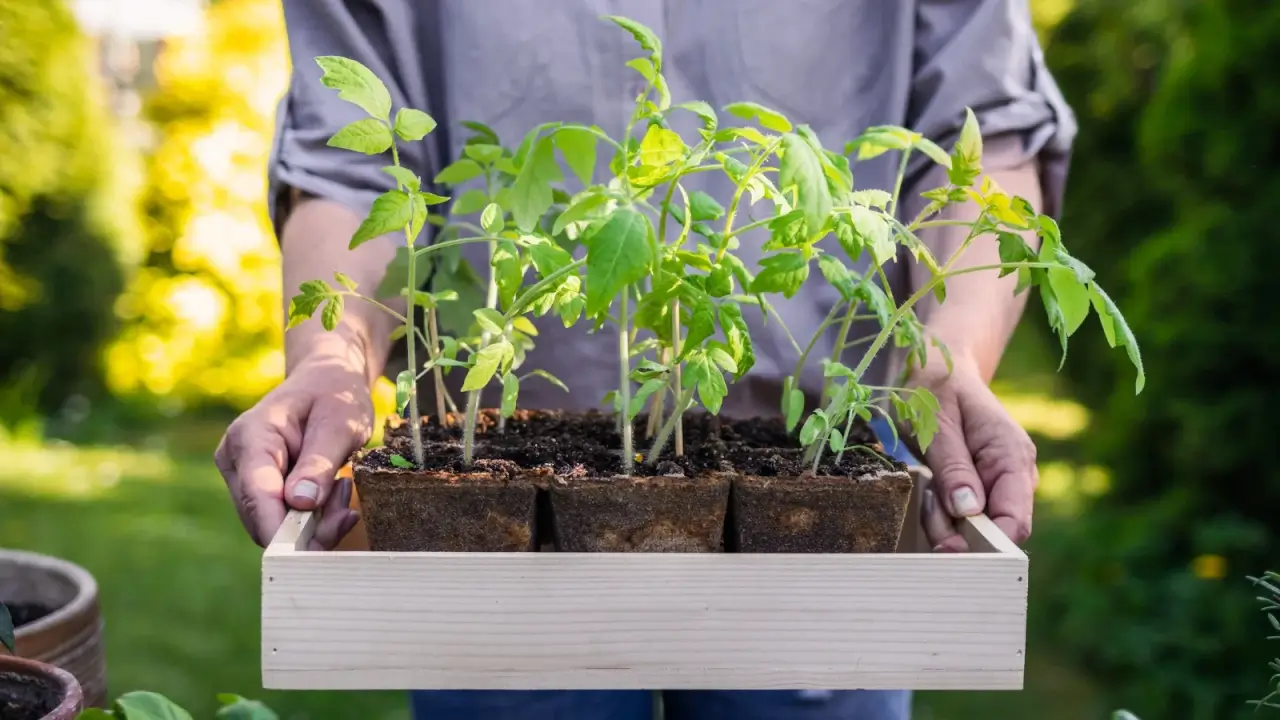
February is the ideal time to start tomatoes indoors for many climates.
For farmers who love the tangy, tart flavor of a tomato fresh off the vine, now is the time to get them started. In warmer parts of the continent, it’s wonderful to have your tomatoes ready to go when spring arrives. Seeds aren’t slow to emerge when they’re sown somewhere warm, or on a tray situated over a heat mat.
However, the plants themselves are slow to mature, taking at least 80 days from seed to fruit. For growers with short seasons, opt for a determinate variety that produces fruit ready to harvest all at once. In areas with split spring and fall seasons, choose indeterminates to have harvests all year long.
Peppers
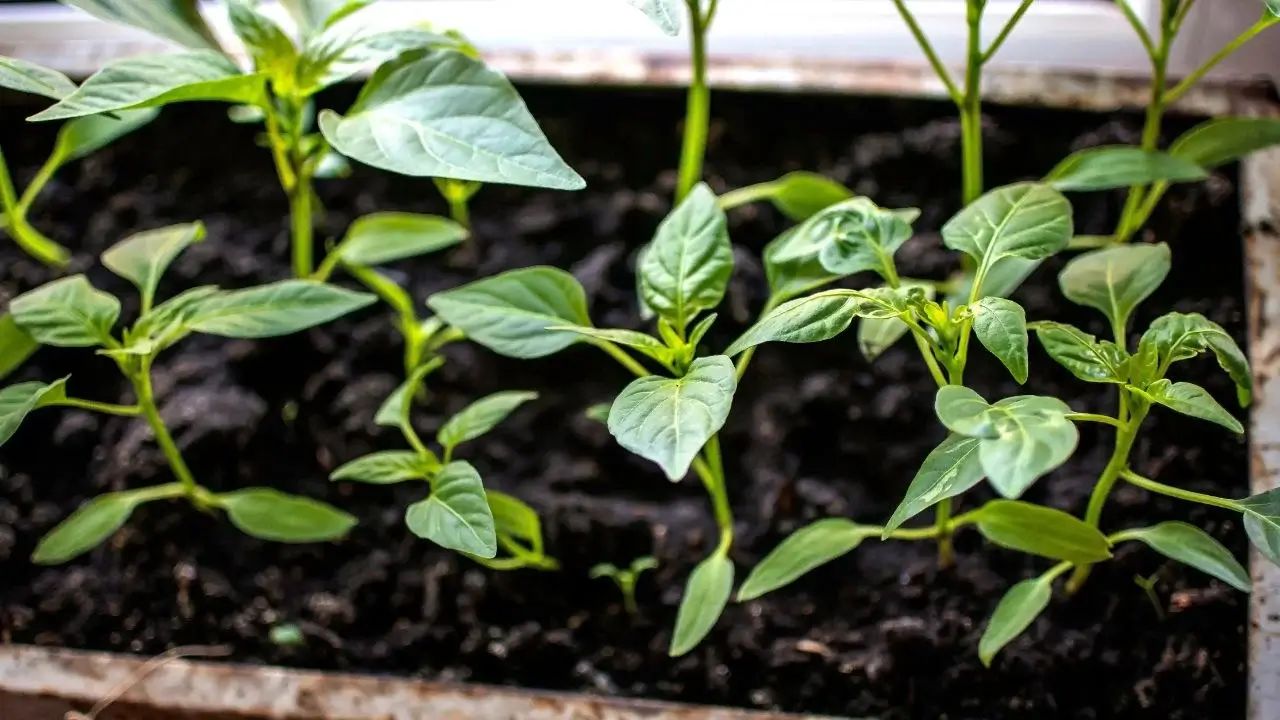
Peppers are notoriously slow to germinate and benefit from starting early in the season.
Growing peppers isn’t hard, but it can be nerve-wracking if you’re waiting for seeds to emerge. They can take up to one month to sprout, even with proper temperature and moisture. These also need a heat mat, and once they emerge, they need light to thrive.
Plan for a month of germination time (no matter the type of pepper). Then plan for at least a couple of months of maturation before peppers form. For highly productive plants that provide plenty of peppers from just one plant, choose jalapeños, serranos, or shishitos. For tons of bell peppers, plant several plants. Most bell pepper plants only produce a few fruit per plant.
Brassicas
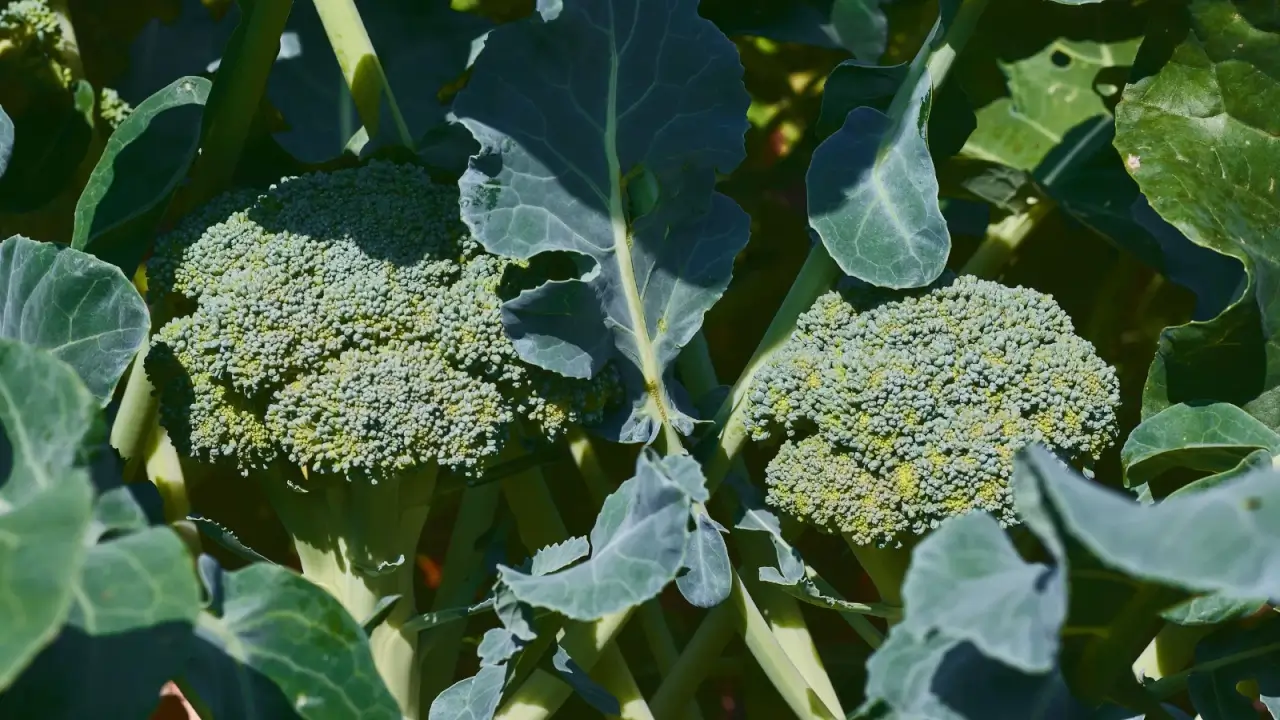
Brassicas like broccoli do best when planted while temperatures are still cool.
The cool weather in mid to late winter and early spring is highly suitable for cabbage, collards, kale, cauliflower, and broccoli. These are some of the easiest plants to grow from seed. Leafy types take little time to mature, and they offer supple baby greens within a month after sprouting.
Heading brassicas like broccoli and cauliflower take longer to grow and require tending. If you need to shelter these through winter’s final freezes, up-pot them and provide some organic fertilizer to help them along. Farmers in warmer areas who want to grow broccoli can choose rapini and broccolini types, which take half the time of their regular counterparts.
Certain Asian brassicas have heat resistance, and work best in areas where heat comes on quickly.
Lettuce
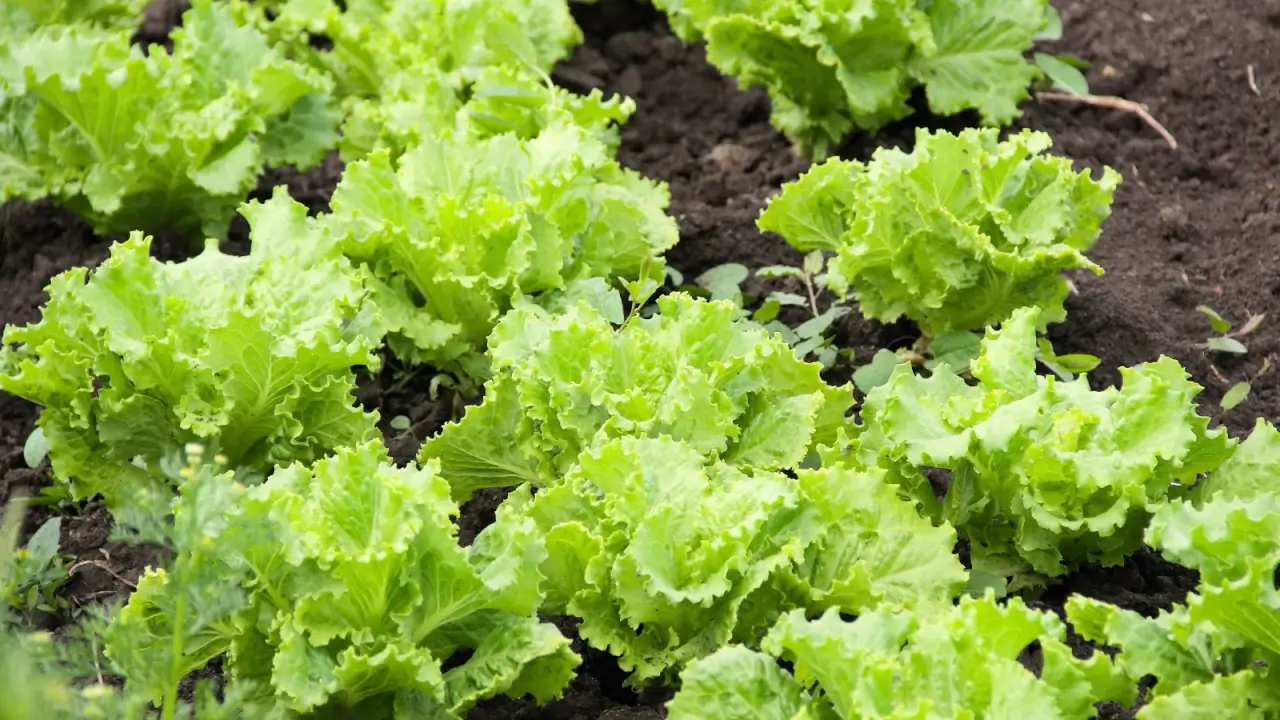
Start your salad garden in February with easy-to-grow lettuces from seed.
If you want to feel good about your growing endeavors, start lettuce seeds! February is perfect timing for sowing these easy-to-grow greens. Leaf lettuces grow quickly and easily, and heading lettuces take more time. But both aren’t difficult to start and tend to as they mature.
Lettuce can handle a little late frost in early spring. This means you can start yours directly in areas that are slowly thawing out. They’re not sensitive to root disturbance, and throwing some lettuce seeds in cells or a flat in your seed starting station is just as good an option. Many lettuces are perfectly suited for restaurants and various specialty markets as well.
Carrots and Parsnips

Direct sow carrots outdoors under row cover now.
Unlike the other veggies on this list, the deep taproots of carrots and parsnips are sensitive to root disturbances. Therefore, direct sow these in their final location, and ensure you have at least a foot of workable soil where you are directly sowing. Both of these crops appreciate consistent moisture and fine, well-draining soil.
This is where tunnels and cold frames come in handy. While the outdoor air is still inhospitable for most plants, sow your seeds within the protected area, and they’ll begin the maturation process. When conditions outdoors improve, remove the cover.
Alliums
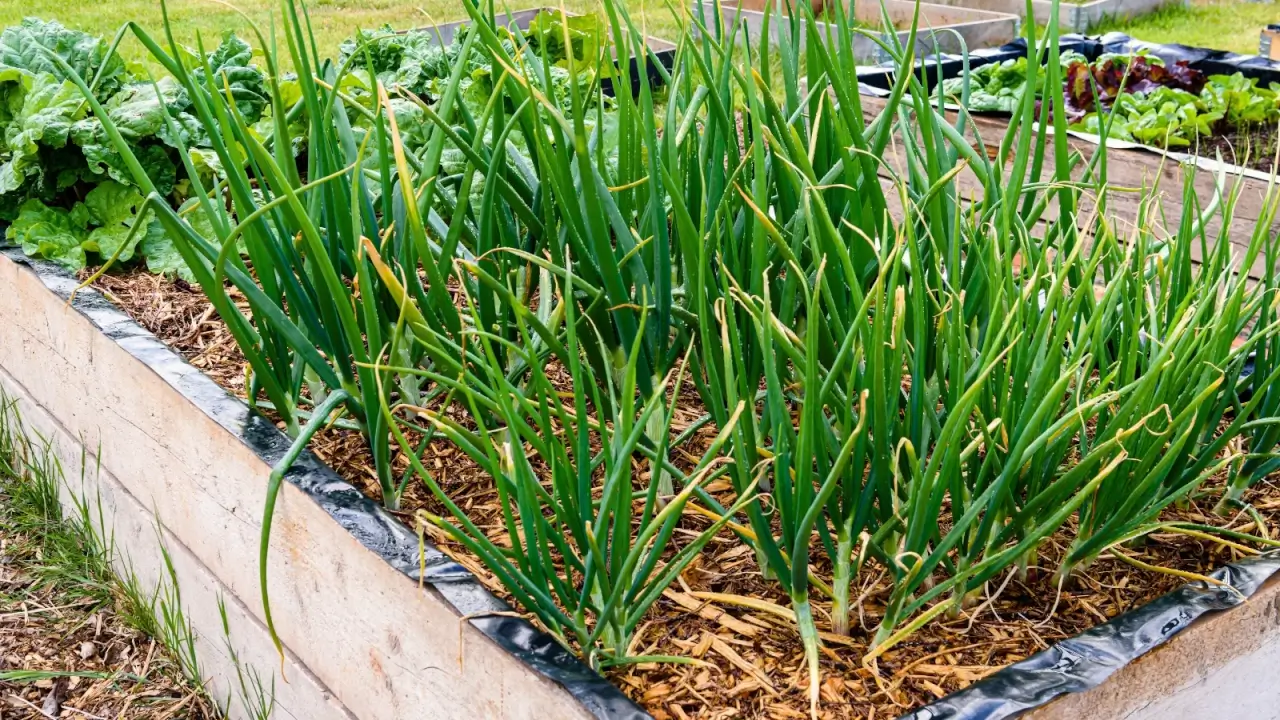
February is the right time to plant onions and leeks.
When you gather your supplies, make sure to include your onion and leek vegetable seeds. February starts the onion-growing season, and sowing them now leads to healthy transplants when the ground warms. It takes one to two weeks for edible alliums to sprout. Leeks require 75 days to mature, and bulbing onions take up to 140 days.
Choose your allium based on the number of frost-free days in your season. If you don’t have 140 frost-free days, supplement growth in a protected area, and transplant when the cold passes.
The February Greenhouse: What to Grow Now
When winter is halfway over, growing out of the elements is the only option for many farmers. Here, we share how to use a greenhouse to grow what the climate doesn’t allow and keep the revenue flowing.
The post 7 Vegetables to Start From Seed in February appeared first on Modern Farmer.
From Modern Farmer via this RSS feed
You must log in or # to comment.