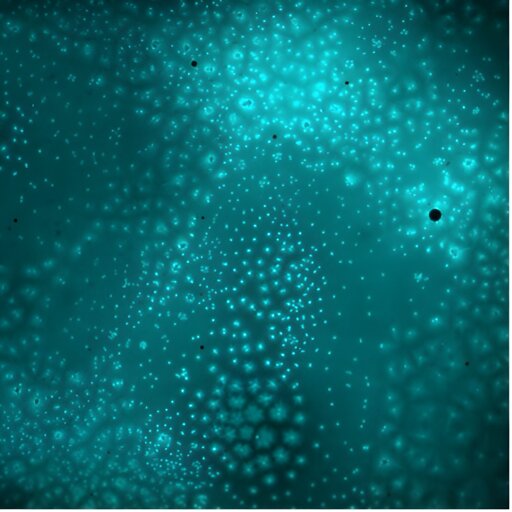
Multicellularity is one of the most profound phenomena in biology, and relies on the ability of a single cell to reorganize itself into a complex organism. It underpins the diversity in the animal kingdom, from insects to frogs, to humans. But how do cells establish and maintain their individuality with such precision? A team led by Jan Brugués at the Cluster of Excellence Physics of Life (PoL) at TUD Dresden University of Technology has uncovered fundamental mechanisms that shed light on this question.