

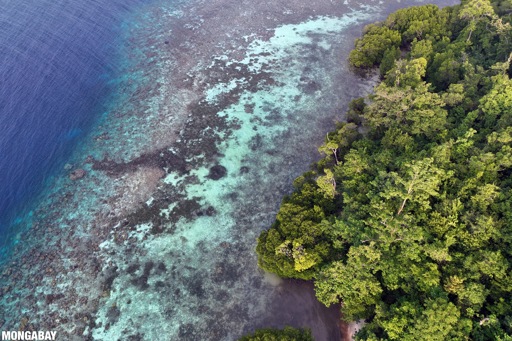
In Manchester this week, governments endorsed a report that tries to do something business has long resisted: treat biodiversity as economically material. The new assessment from the Intergovernmental Platform on Biodiversity and Ecosystem Services (IPBES) argues that the loss of nature is no longer an environmental side issue. It is a systemic risk to firms, financial stability and long-term growth. The claim rests on a simple observation. All businesses depend, directly or indirectly, on living systems. Crops require pollination and soil fertility. Hydropower depends on stable watersheds. Insurers price flood risk. Even companies that appear distant from forests or reefs rely on supply chains shaped by water availability, climate regulation and the steady functioning of ecosystems. Since 1992, human-produced capital per person has roughly doubled, while stocks of natural capital have fallen by nearly 40%. The economy has grown, but part of the asset base on which it rests has been drawn down. The report places these trends in financial terms. In 2023, an estimated $7.3 trillion in public and private finance flowed into activities with direct negative impacts on nature. Around two-thirds came from private finance. By contrast, roughly $220 billion was directed toward conservation and restoration. Harmful subsidies alone amounted to about $2.4 trillion. The imbalance is stark. It suggests that markets and policy still reward degradation more reliably than stewardship. Deforestation in Borneo. Photo credit: Rhett A. Butler / mongabay For companies, the implications are practical, the assessment argues. Biodiversity loss creates physical risks, such as crop…This article was originally published on Mongabay
From Conservation news via this RSS feed