

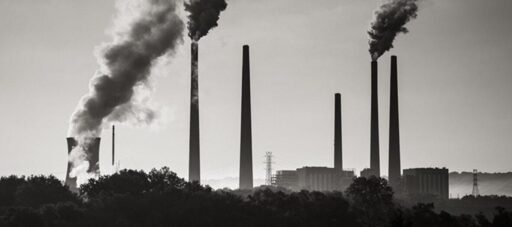
On Feb. 12, the United States repealed the so-called endangerment finding, a 2009 cornerstone rule that enabled the federal government to regulate greenhouse gas emissions as a pollutant. Established under former President Barack Obama, the rule codified the long-held scientific consensus that anthropogenic greenhouse gas emissions “threaten the public health and welfare of current and future generations.” In repealing the endangerment finding, the EPA removed the legal and scientific foundation for regulating greenhouse gases, effectively clearing the path to do away with climate-related emissions limits for vehicles, industry and fossil fuel extraction. “This decision betrays the American people,” California Governor Gavin Newsom wrote in a social media post. He said the decision will “lead to more deadly wildfires, more extreme heat deaths, more climate-driven floods and droughts … all while the EPA dismisses the overwhelming science that has protected public health for decades.” The move comes as climate scientists warn that the last three years have been the warmest three years on record, and global emissions are set to push the Earth past 1.5° Celsius (2.7° Fahrenheit) of warming since the industrial revolution, passing the threshold set by the Paris climate agreement. Although that limit has not yet been formally crossed, the world is already feeling widespread climate impacts. In 2025, more than 87 million people were affected by climate-related disasters. Meanwhile, conservationists warn that climate change is pushing vulnerable species toward extinction and threatening human health. Philip Landrigan is director of the Global Observatory on Planetary Health with Boston…This article was originally published on Mongabay
From Conservation news via this RSS feed
You must log in or # to comment.