

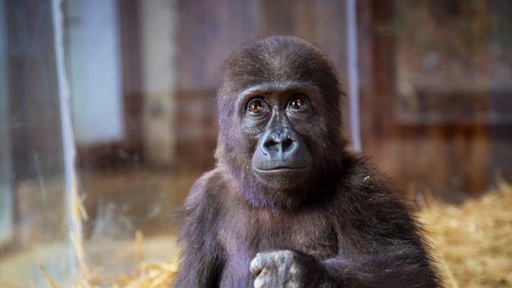
In December 2024, Turkish customs officers were flummoxed when they discovered a malnourished baby gorilla in the cargo hold of an airplane flying from Nigeria to Bangkok, transiting via Istanbul. Wearing a soiled T-shirt, the 5-month-old infant was shoved inside a wooden crate falsely declared to contain 50 rabbits. After a social media campaign, he was named Zeytin, which means “olive” in Turkish. This critically endangered western lowland gorilla (Gorilla gorilla gorilla) was being smuggled to an animal farm in Bangkok without any export permits or paperwork. All great apes, including gorillas, are afforded the highest protection under CITES, an international treaty regulating wildlife trade, making commercial transnational trade illegal. They can be transferred between zoos or exported for scientific research but require official paperwork. After the seizure made global headlines, Turkish authorities sent Zeytin to Polonezköy Zoo in Istanbul. Meanwhile, they said they were working to imminently dispatch him to a sanctuary in Africa, where he could possibly be released into the wild. But one year on, those plans seem to have bitten the dust. As of September 2025, Zeytin was seen languishing in the same zoo, living a lonely life in a cage — the very life many thought he had escaped. “At present, Türkiye does not have adequate facilities to meet the long-term physical, social and psychological needs of a gorilla,” said primate expert Aslıhan Niksarlı at the Jane Goodall Institute who directs Roots & Shoots Türkiye. “There are also no other gorillas in the country, which…This article was originally published on Mongabay
From Conservation news via this RSS feed
You must log in or # to comment.