

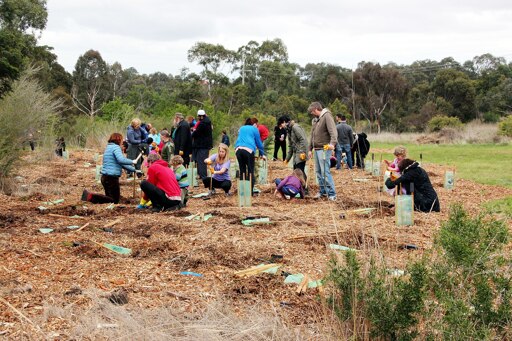
Deforestation and land use change can accelerate the spread of zoonotic diseases — infectious illnesses that can spread from animals to humans — including malaria and COVID-19. While habitat restoration is crucial for addressing biodiversity loss and climate change, new research suggests counterintuitively that it can also temporarily increase the risk of certain zoonotic diseases in some areas. Human encroachment into wild spaces for development and agriculture increases contact with disease-spreading wildlife. In Brazil’s Atlantic Forest, for example, researchers found mosquitoes were more likely to feast on humans when their natural hosts became scarce as a result of deforestation. Despite a global push to restore degraded ecosystems, scientists have known little about how restoration affects zoonotic disease risk. To fill that gap, Adam Fell with the University of Stirling in Scotland, and lead author of a new study, conducted a large meta-analysis of scientific literature, case studies and policy reports. “We only found something like 39 [relevant] studies, out of thousands that we looked through,” Fell told Mongabay in a video call. The results were very context-dependent, he said. In some cases, reforestation actually increased the spread of zoonotic diseases in the short term. One explanation offered by researchers is that rodents — a common vector for infectious disease — are among the first colonizers in a disturbed landscape, and with them can come an uptick in zoonotic diseases like hantavirus. In the long term, Fell added, ecosystems tend to find balance as larger animals, like ungulates and bobcats, return…This article was originally published on Mongabay
From Conservation news via this RSS feed
You must log in or # to comment.