

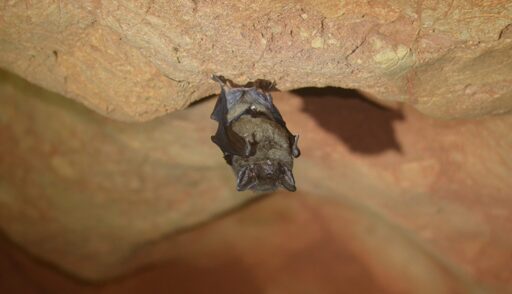
Limestone karst is like an island. Each rocky formation rises distinctly out of the surrounding landscape. Over time, an array of highly specialized species, each adapted to that particular landform’s jagged forests and dark caves, have evolved. As a result, many karst species are endemic and perilously rare. Myanmar is home to Southeast Asia’s second-largest area of limestone karst, after Indonesia; its rugged peaks cover a total of more than 80,000 square kilometers (31,000 square miles. The area hosts the entire global population of Popa langurs (Trachypithecus popa), one of the world’s most recently described primates, and scores of gecko species described only in the past decade. Scientists say countless others likely remain tucked away in obscurity, waiting to be discovered. Yet despite its biodiversity, less than 1% of Myanmar’s limestone karst is formally protected, prompting concerns from conservationists about fragile wildlife populations that are facing mounting pressure amid a boom in clandestine mining and deforestation across the country to meet rising demand for cement, minerals and timber. Now, a recent census of cave-dwelling bats in northeast Myanmar’s Shan state indicates many karst caverns are becoming increasingly inhospitable for the winged mammals due to human disturbance, posing risks to both bats and people. “Bats are natural reservoirs for many viruses, including coronaviruses,” said Thura Soe Min Htike, conservation officer at the Nature Conservation Society–Myanmar and a co-author of the study. “Understanding how bats interact with their environment, and how humans interact with bats, is an important first step in preventing…This article was originally published on Mongabay
From Conservation news via this RSS feed
You must log in or # to comment.