

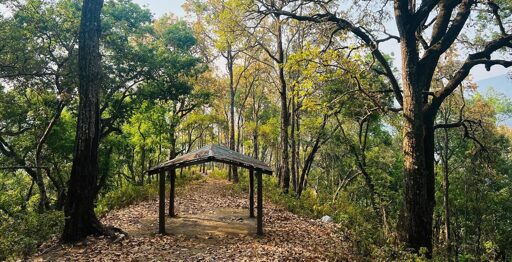
KATHMANDU — Nepal signed an agreement with the LEAF Coalition on Jan. 23, becoming the first country in Asia to secure a deal expected to potentially deliver $55 million in carbon finance to support forest-dependent communities. However, carbon trade experts and forest group members say that ensuring the money reaches communities remains a challenge, as this is relatively uncharted territory for Nepal. Also, the agreement’s impact will depend on how transparently the funding is utilized, how strong the safeguards are and how meaningful the inclusion of Indigenous and forest-dependent communities is in decision-making and benefits sharing. “The achievement truly demands a transparent process for communities to access the money and participation of forest communities at the decision-making level,” Buddha Gharti Bhujel, senior vice chair and REDD focal person at the Nepal Federation of Indigenous Nationalities (NEFIN), told Mongabay. As part of the agreement with LEAF — a public-private initiative involving the governments of Norway, the United Kingdom, the United States and the Republic of Korea, along with more than 30 companies — Nepal aims to reduce emissions from potential deforestation across Gandaki, Bagmati and Lumbini provinces. “Through the agreement, we are working to ensure forest-dependent communities are paid for their significant roles in forest protection ensured for the period of 2022-2026,” said Nabaraj Pudasaini, joint secretary and chief of the REDD Implementation Center (REDD IC), the agency leading Nepal’s jurisdictional REDD+ program. Forest cover now accounts for more than 44% of Nepal’s land area. Pudasaini said his office is planning…This article was originally published on Mongabay
From Conservation news via this RSS feed
You must log in or # to comment.