

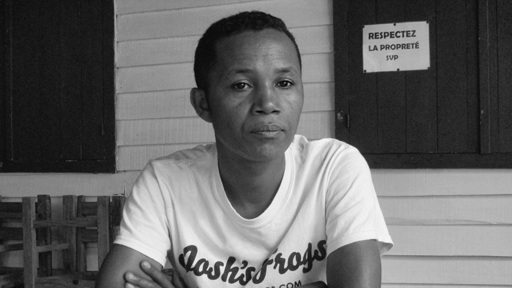
In Madagascar, frogs are not background noise. They are a measure of how much forest still functions. The island holds an outsized share of the world’s amphibian diversity, and almost all of its frog species occur nowhere else. That concentration is both a wonder and a warning. When habitat thins, wetlands silt up, or disease arrives, there is often no second refuge on another continent. Conservationists worry about many pressures at once: deforestation, fragmented marshes, wildlife trafficking, and the global spread of chytrid fungus, which has driven amphibian declines on several continents and has been detected in Madagascar. In such a setting, saving a frog can look like a technical exercise. It is also an organizational one. Keeping a species alive may require breeding rooms, quarantine protocols, and a steady supply of insects, plus patient negotiations with local communities and, at times, with the companies reshaping landscapes. Green Bright-eyed Frog (Boophis viridis) near in Andasibe, Madagascar. Photo by Rhett Ayers Butler Justin Claude Rakotoarisoa was born in a village near Andasibe, an area inhabited by the indri lemur, whose haunting, whale-like song carries through the forest. As a young man he trained as a guide, part of a generation that saw ecotourism as a way to earn a living without dismantling the forest that drew visitors. Mitsinjo, the community organization he joined in the late 1990s, began as a local effort to manage a forest station and channel tourist income into conservation and development. It became more than that. As…This article was originally published on Mongabay
From Conservation news via this RSS feed