

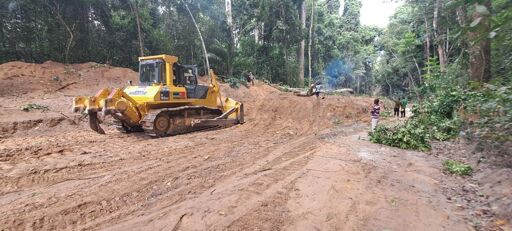
Earlier this year, workers built a concrete perimeter wall for a planned resort on Pemba Island off the coast of Tanzania. There’s scant public information about the Mantuli development, but the wall is just a few hundred meters west of the 1,440-hectare (3,558-acre) Ngezi-Vumawimbi Nature Forest Reserve, where scientists have identified more than 80 new species of plants in recent years — some of which they fear would be driven to extinction by the development. According to a noticeboard near the forest and plans previously published on the website of South Africa-based Acoarch Architects, the luxury resort’s chalets, pools, fitness center and coffee lounge will stretch along 3 kilometers (nearly 2 miles) of Vumawimbi Beach, denying residents of nearby Makangale village access to the sea. Some of the online content has since been removed, and the architecture firm didn’t respond to Mongabay’s inquiries. Tim Caro is an evolutionary ecologist who has conducted research in the area and is a member of U.K.-registered charity Friends of Ngezi, which works with communities and promotes conservation of the forest. He said around a third of Makangale residents are involved in fishing, launching their boats from Vumawimbi Beach, which is also a popular recreational spot for island residents. “According to weekly reports we receive from members of the community, the perimeter wall blocks Makangale villagers’ access to their fishing sites, to the graves of their ancestors, to their football field, and to paths to other villages,” a representative of Friends of Ngezi told Mongabay…This article was originally published on Mongabay
From Conservation news via this RSS feed
You must log in or # to comment.