

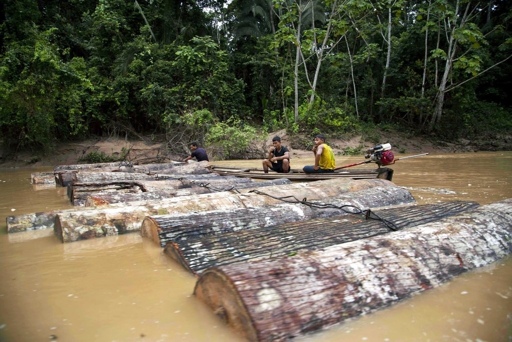
The Inter-American Commission on Human Rights has requested that the Peruvian government take action to protect the isolated Kakataibo Indigenous people in the Amazonian departments of Ucayali, Huánuco and Loreto. The group lives in voluntary isolation in the Kakataibo North and South Indigenous Reserve, where it’s under threat from illegal loggers and other invaders who deforest, establish illegal settlements, construct clandestine airstrips for transporting drugs, and carry out other illegal activities, according to an IACHR press release. Such unwanted encroachment from outsiders has profound impacts on the area’s isolated people, said Julio Cusurichi, an Indigenous Shipibo-Conibo leader and member of the Interethnic Association for the Development of the Peruvian Rainforest (AIDESEP). Uncontacted communities are more vulnerable to disease and violent conflict. Cusurichi told Mongabay that there have been reports of violent clashes between isolated people and illegal loggers, which have resulted in deaths. “These communities are highly vulnerable,” he said. “Any contact could lead to the death of all these people. That’s why there’s concern that action be taken, that the government take action, and it isn’t doing so.” According to the IACHR decision, the Peruvian state has failed to adopt effective and sufficient measures to mitigate the dangers that the isolated Kakataibo people face, thereby affecting their right to life, personal integrity and health. The commission requested that the state implement safeguarding actions that adhere to the principle of no contact, to prevent invaders from entering the territory, and to evaluate, monitor and guarantee water quality in the impacted…This article was originally published on Mongabay
From Conservation news via this RSS feed
You must log in or # to comment.