

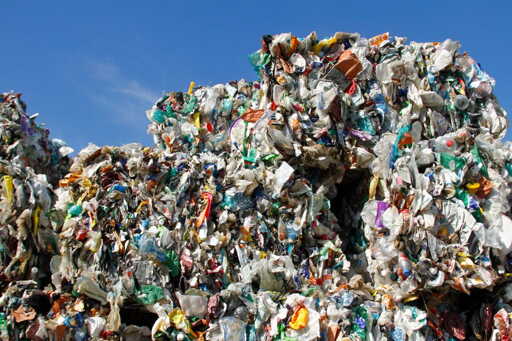
ADANA, Türkiye — Along the final stretch of the Seyhan River, in southern Türkiye, plastic bits in various colors dot the water and sediment. When the river bends, shredded plastic, degraded by the elements, forms large gray patches. Downstream, where the Seyhan flows into Mersin Bay, debris large enough to display clues to its origin lies scattered across the wetland: wrinkled German-labeled packages of Thai-style chicken noodles, unopened single-use cutlery from the U.K., an empty margarine box from Spain, among many others. Between the small village of Baharlı and the sea, fishing barracks stand at the juncture of a large canal and the river. A fisher uses a wooden oar to lift the anoxic black sediments and show how plastic fragments have become ubiquitous across the riverbed. They are everywhere, his colleague Halil Balıkçıoğlu told Mongabay, along with sewage and chemical waste from big factories. “It wasn’t like this 30 years ago,” Balıkçıoğlu said. “We used to make tea with this water.” Fishing barracks at the juncture of a large canal and the Seyhan River. Image by Utku Kuran for Mongabay. In recent years, there’s been a rapid evolution in the local recycling industry largely fed by imports of foreign waste. According to U.N. Comtrade data, 677,663 metric tons of plastic scraps traveled to Türkiye in 2024 alone, 77% of it from the U.K. and the EU combined. Since China closed its doors to plastic waste imports in 2018, Türkiye has become a major destination. Most of this scrap heads…This article was originally published on Mongabay
From Conservation news via this RSS feed
You must log in or # to comment.