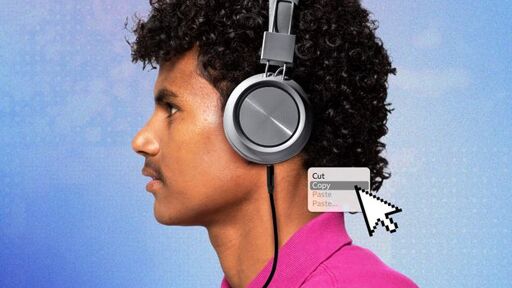
Is the return of wired headphones driven by a simple desire for better sound quality or is it part of a backlash against modern tech? Thomas Germain tries to find out.
With those USB-C to Headphone jack dongle adapters, where’s the DAC? My (aging, days from replacement) S10e has a headphone jack, and thus a built-in DAC. Apple’s 30-pin connector had pins for stereo analog audio, it’s how speaker docks worked. Can’t say about the Lightning connector, but I know USB-C doesn’t have analog audio pins. Unless there’s some standard I don’t know about that repurposes some of them that all devices use. Or, is the dongle a USB sound card with a tiny little DAC and amp built in which is probably small, underpowered and very cheap?
It can actually be both ways, most USB-C to headphone jack dongles have a tiny DAC/amp circuit built in (they are really tiny and cheap), but there is actually a method for sending audio over USB-C that some phones can use. The latter method is usually fairly device or product line specific, I’m not sure if it is an actual standard or not.


With those USB-C to Headphone jack dongle adapters, where’s the DAC? My (aging, days from replacement) S10e has a headphone jack, and thus a built-in DAC. Apple’s 30-pin connector had pins for stereo analog audio, it’s how speaker docks worked. Can’t say about the Lightning connector, but I know USB-C doesn’t have analog audio pins. Unless there’s some standard I don’t know about that repurposes some of them that all devices use. Or, is the dongle a USB sound card with a tiny little DAC and amp built in which is probably small, underpowered and very cheap?
It can actually be both ways, most USB-C to headphone jack dongles have a tiny DAC/amp circuit built in (they are really tiny and cheap), but there is actually a method for sending audio over USB-C that some phones can use. The latter method is usually fairly device or product line specific, I’m not sure if it is an actual standard or not.