

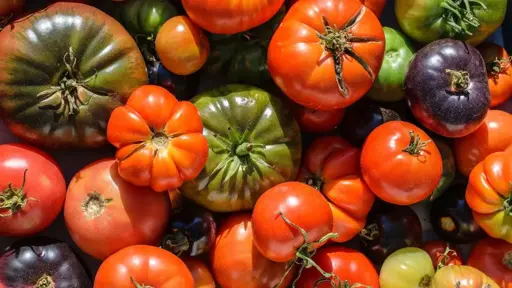
If you haven’t had the chance or pleasure to grow heirloom tomatoes, try it this year. There are slicers, beefsteaks, cherries, and more to explore when it comes to the passed-down, open-pollinated tomatoes out there. If you have grown them before, you may be interested in adding another variety.
While older heirlooms may have widely varying characteristics, they do continue to display those for which they were bred. If you’re a tomato breeder, the open-pollinated nature of heirlooms means you have a chance to breed your own variety. If you don’t want to do this, isolate your favorite varieties so they don’t cross-pollinate.
The smartest way to grow these varieties is to use your season’s length and your local climate’s tendencies. These inform how easily you can grow certain varieties. Of course, if you have experience with tomatoes, you know whether or not a beefsteak can be grown outdoors or if you’ll have to provide some protection from cold temperatures at the beginning and end of the season.
Heirloom Tomato Varieties
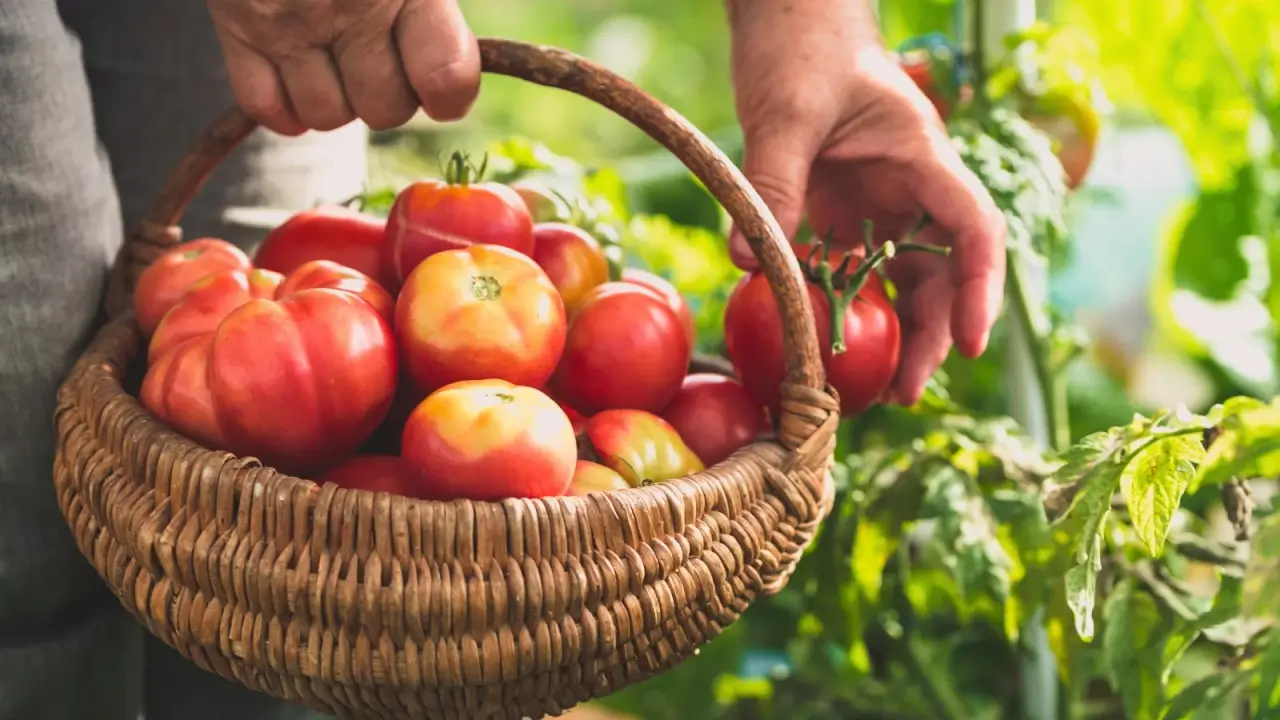
Tried-and-true heirloom varieties are sought after at the market.
Pop a couple of these seeds in your seed starting cells this year, and clear a space for them in a greenhouse, outdoors, or under some modular row cover. Remember to keep them apart to prevent cross-pollination if that matters to you. Customers often expect certain varieties at the market, but they may be enticed by one new to the scene.
San Marzano Roma Pole Tomato

‘San Marzano’ is the mother of paste and saucing tomatoes.
Saucing and paste tomatoes have nothing on the original standard, the San Marzano. This heirloom hails from the US in the 1920s, and is considered “the mother” of other tomatoes of its kind. It’s a vigorous plant that grows vines up to six feet or more.
You need good support for this one, as its indeterminate nature means it will produce fruit as long as conditions are suitable. Give your fields at least three months to grow romas, and chances are you’ll grow them again next year.
Cherokee Purple Pole Tomato

‘Cherokee Purple’ is large and smoky-sweet.
This heirloom is like ‘San Marzano’ in that it has been grown for over 100 years. It’s a slicer famous for its awesome flavor, with a hint of smoke backed by incomparable sweetness. The fruit produced by this vine is large, reaching 10 to 12 ounces each. Therefore, good support is needed, as the indeterminate Cherokee Purple produces all season long.
Ace 55 Bush Tomato

‘Ace 55’ is a prolific producer for short-season climates.
For growers with shorter seasons, it’s nice to know there’s an heirloom determinate bush tomato out there. Often, when farmers grow heirloom tomatoes, they’re cultivating indeterminate varieties that produce all season. Not so with ‘Ace 55’, a bright red slicer that matures in 80 days. If you have a long season, sow successions to enjoy multiple harvests.
This 1950s globe-shaped tomato is ideal for canning. The fruits are five to six inches in diameter and reach six to eight ounces each. Most of the fruit ripens over one to two weeks, so be ready to harvest a good amount with this one. ‘Ace 55’ is also resistant to verticillium and fusarium wilts.
Beefsteak Pole Tomato
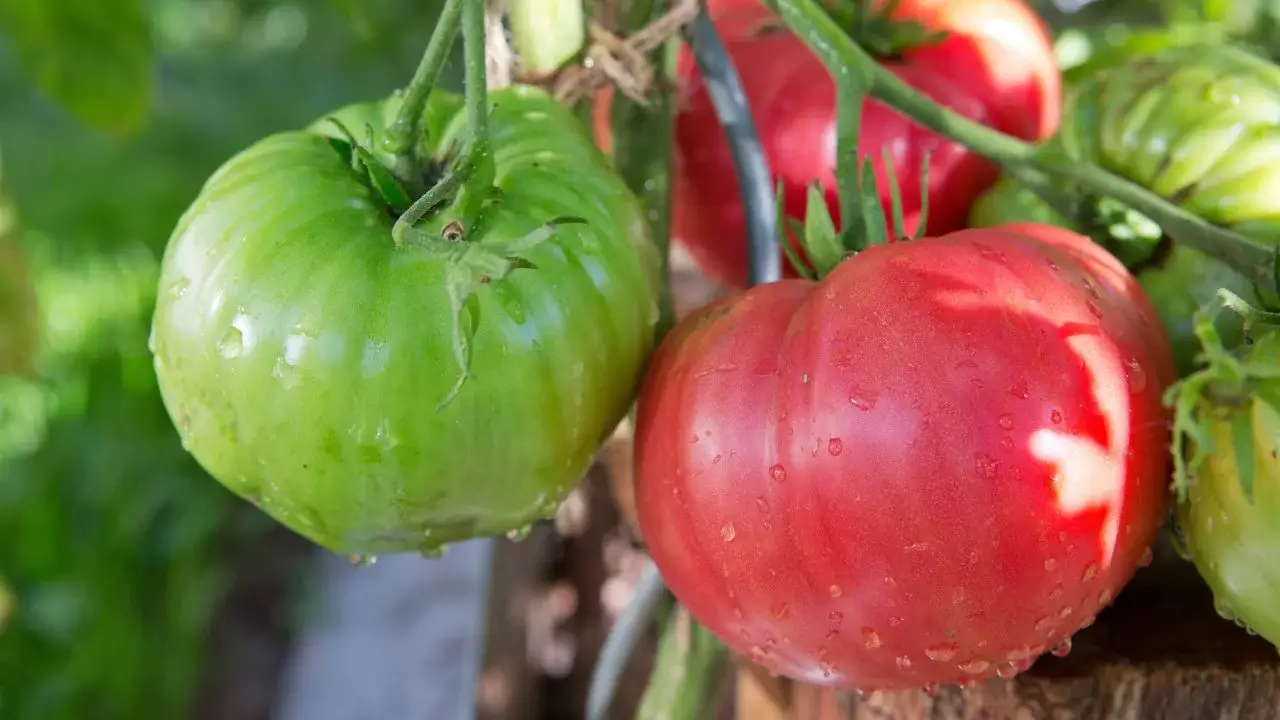
‘Beefsteak’ is a flavorful favorite that needs 95 days to produce.
For growers with long seasons, the Beefsteak Pole tomato is a great choice. It takes 95 days for this plant to reach fruition, but what results is a century-old tomato with impeccable flavor. Because the tomatoes produced by this vine are huge – at ten ounces to two pounds each – you need tons of support. Most vines grow to six feet, but in optimal conditions, they can reach 20 feet.
Brandywine Red & Yellow Blend
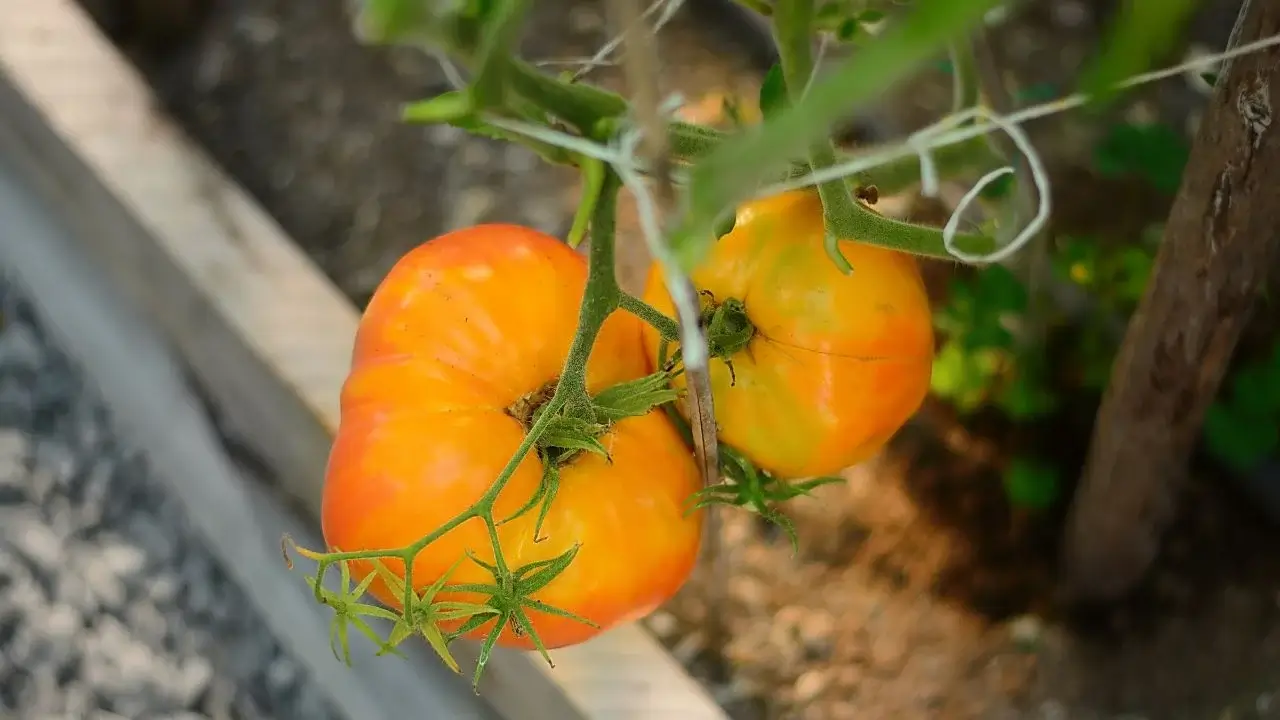
Try ‘Brandywine’ for sweet, slightly fruity notes.
Much like ‘Beefsteak’, ‘Brandywine’ tomatoes can reach up to two pounds each. They’re ribbed, sometimes flattened, and round, and the blend includes pink-blushed red and golden yellow tomatoes. Find a distributor that distinguishes with a stain if you want to grow one or the other.
When you grow heirloom ‘Brandywine’ variety, you should expect a harvest at around 76 to 100 days. You’ll likely be harvesting throughout that time, as this indeterminate slicer provides harvests throughout the season. ‘Brandywine’ is known for flavor, so harvest at peak ripeness for the best addition to sandwiches and salads.
Gardener’s Delight Pole Cherry Tomato
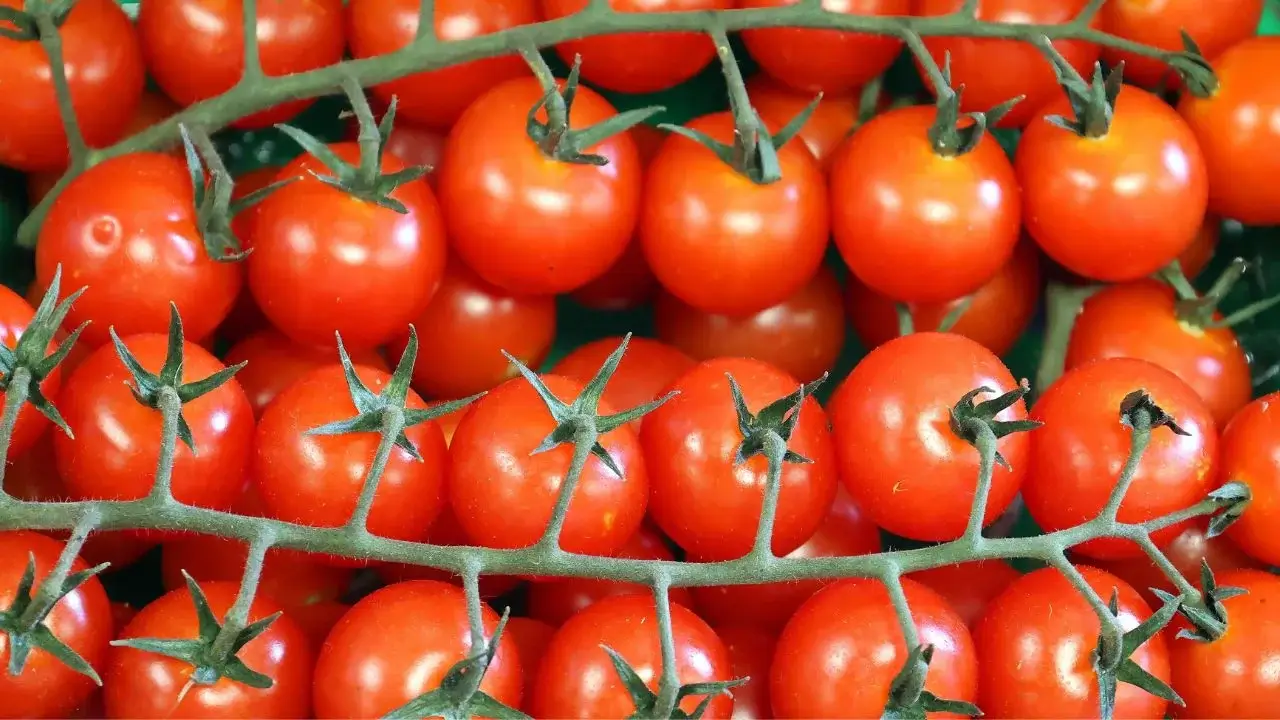
Cherry tomatoes like ‘Gardener’s Delight’ are ideal for snacking.
Cherry tomatoes are the best for snacking right off the plant, and they’re excellent for growers in areas that don’t allow for maximum maturation. With just 65 days needed to grow indeterminate amounts of cherry tomatoes, Gardener’s Delight is an excellent option for farmers with short summers.
This is a 1950s German heirloom that grows roughly one-inch fruits in shades of red and yellow. Each fruiting branch produces six to 12 cherries at once. That means even though this is a smaller tomato, it needs just as much support as the other pole tomatoes listed here.
Black Krim Pole Tomato
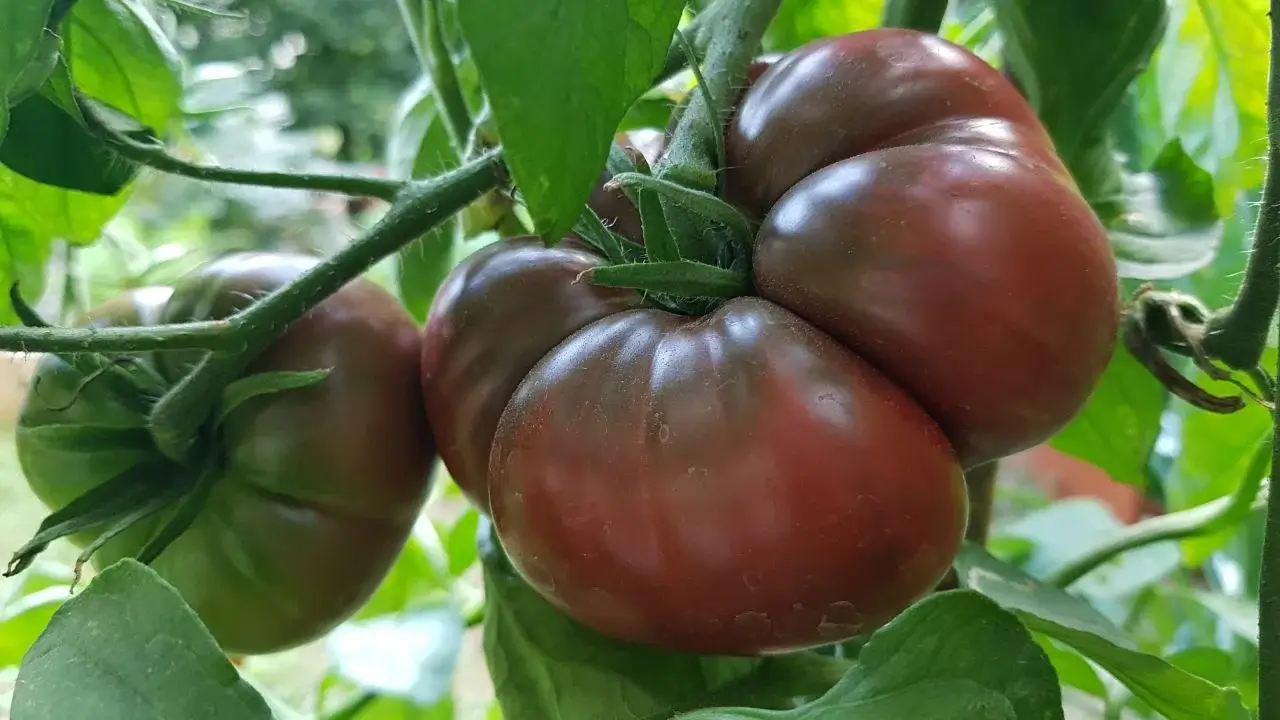
‘Black Krim’ tomatoes are richly-flavored and heat-tolerant.
Farmers who want European heirlooms can look to those that originated in Krymysk on the Black Sea in Russia. Black Krim is a reddish-purple tomato that reaches roughly the size of a baseball at full maturity. The rich and slightly salty flavor provided by Krim is matched by its ability to continue producing in heat, while other tomatoes halt flowering.
If you’re in a hot region, the “blackness”, which is more like a brownish blush, is more pronounced. In cool weather, expect a dusky pink with green shoulders. These six-foot vines provide indeterminate slicing tomatoes all season.
Cream Sausage Bush Tomato
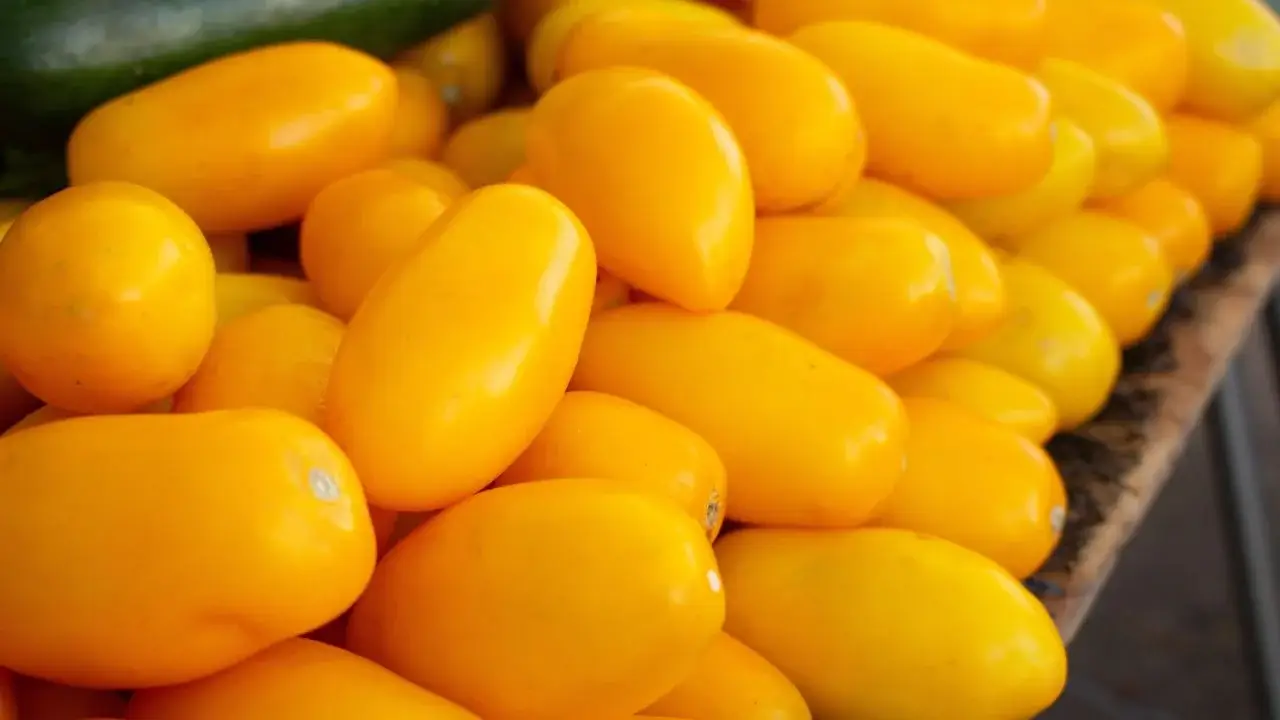
‘Cream Sausage’ is an excellent creamy tomato for container growing.
If you like the determinate nature of Ace 55, but you need something more atypical, Cream Sausage is a great option for your farm. This is a yellow roma-shaped tomato that takes roughly 80 days to mature. While the flavor makes this a great fresh tomato, it’s also amenable to sauces, salsas, and pastes.
Because it’s determinate, and reaches no taller than three feet high, it’s a great container plant. This is optimal for growers where it gets cold quickly, and tomatoes need to be moved into shelter for continuous production. Succession sow these for multiple waves of creamy yellow toms.
Red & Yellow Pear Blend Pole Cherry Tomato
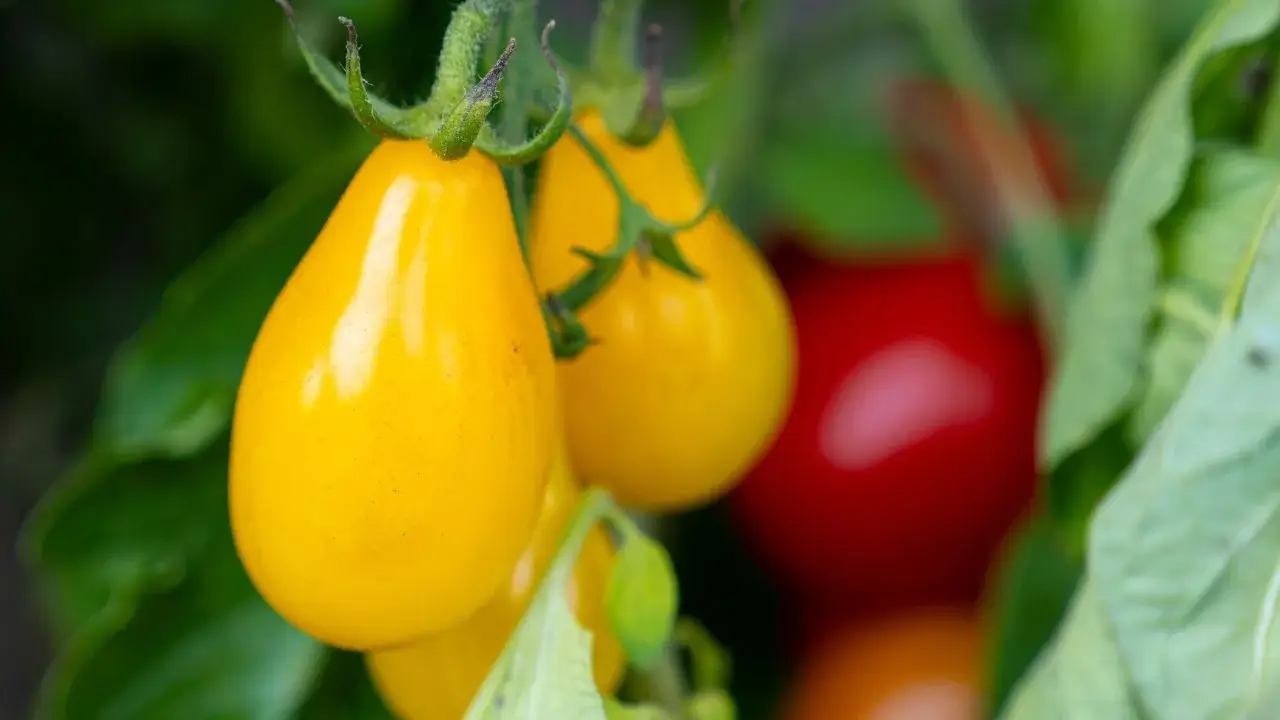
Try ‘Pear Blend’ tomatoes for interesting colors and flavors that attract customer attention.
Pear tomatoes are some of the most delicious and easiest to grow. A Red & Yellow Pear Blend is an excellent candidate for specialty markets, where interesting flavors and shapes are of high value. These were traditionally used for pickling and preserves, but they’re so succulent when fresh, too, with a low-acid flavor that can’t be beat.
These grow in bunches, so support the vines with a sturdy cage or trellis. Harvest them around 75 days after transplanting when the fruits are one to two inches long.
Oxheart Pole Tomato
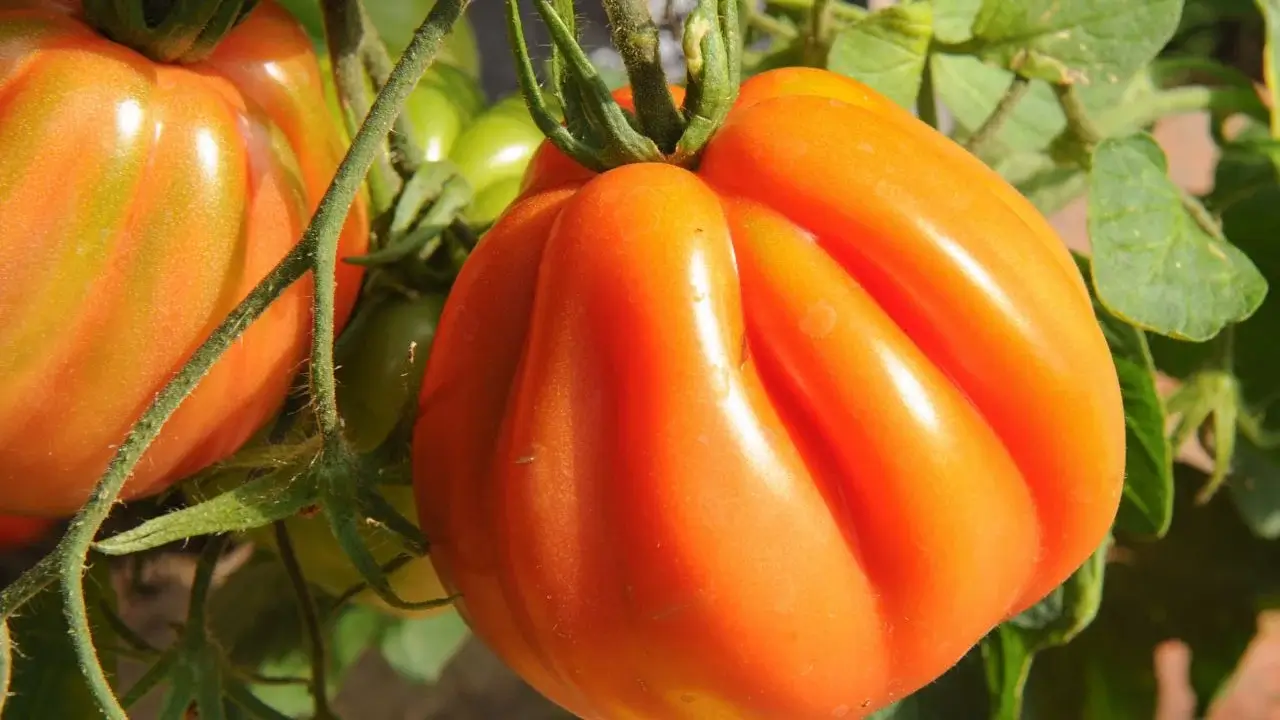
‘Oxheart’ is perfect for caprese salads.
Also known as ‘Cuore Di Bue’, which means “ox heart” in Italian, this heirloom hails from the province of Liguria in Northern Italy. The Oxheart tomato is the perfect saucing tomato that looks beautiful as it is, before processing or eating. They’re commonly eaten in a Caprese salad, but they put forward their best flavor when roasted.
Each fruit has deep ribs and bold red coloring, and weighs six to 12 ounces. Oxhearts take about 80 days to mature and reach six feet or more. They’re indeterminate and provide small harvests through the warm (but not too warm) months.
Costoluto Genovese Pole Tomato
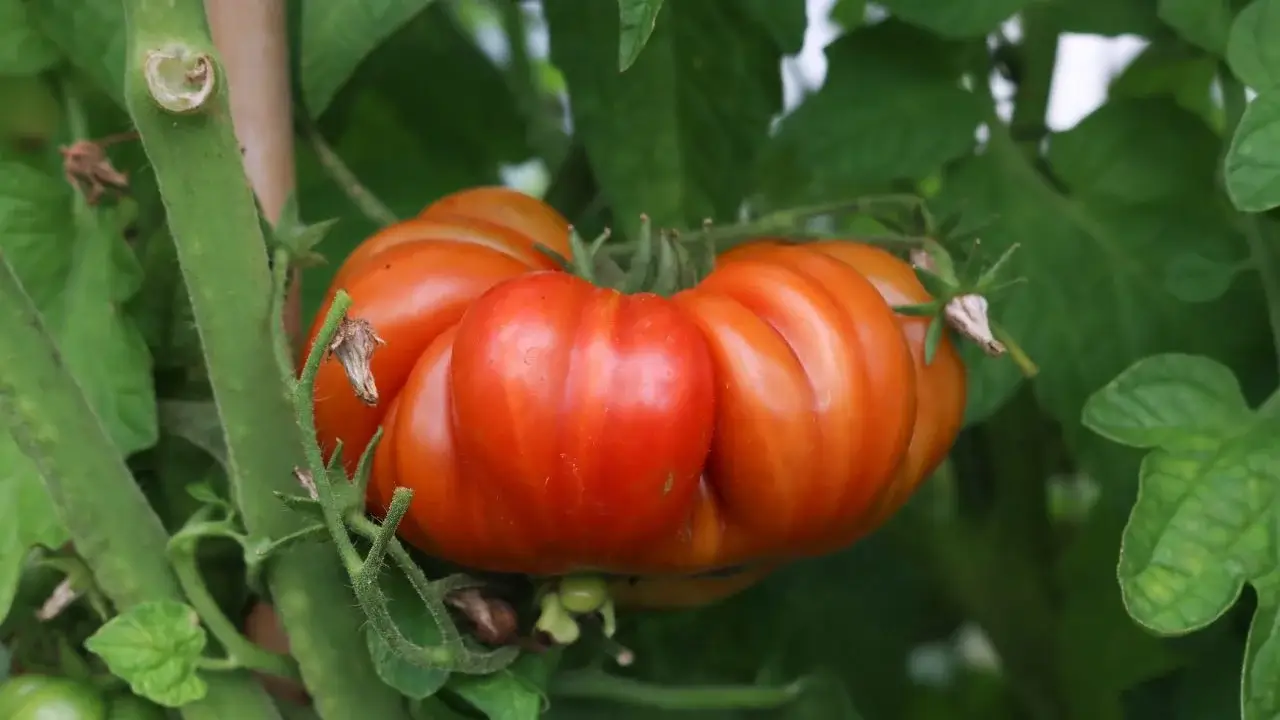
Grow ‘Costoluto Genovese’ on a sturdy support.
We have tomato breeders in Italy to thank for Costoluto Genovese tomatoes, which are deeply ribbed, slightly flattened, and fire engine red when mature. This slicer has an awesome flavor that works best in sauces, but is also perfect for sandwiches and salads. That’s because its inner walls are thick, and the flesh is substantial.
At least 80 and up to 90 days are needed to grow this one. So is plenty of support for the six to eight-ounce fruit these six-foot vines produce.
How to Start Tomato Seeds: 5 Expert Growing Tips
Tomatoes are the premier summer veggie, and the number of varieties available is a testament to their beloved nature. Here are a few extra tricks you can use to start tomato seeds so you can have tons for eating, canning, and bringing to market.
The post 11 Best Heirloom Tomatoes to Grow on the Farm appeared first on Modern Farmer.
From Modern Farmer via this RSS feed
You must log in or # to comment.