

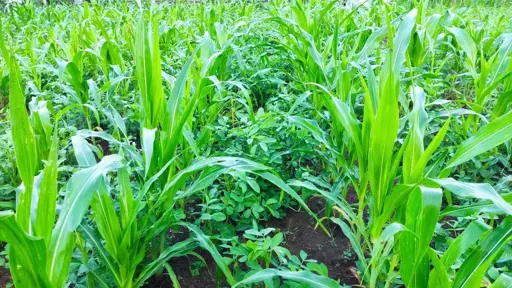
You may already know about the most common form of interseeding, which often occurs in corn fields. Farmers who manage what were once massive monocrops of corn have begun to interplant various cover crops to feed livestock, provide additional revenue sources, attract pollinators, or add nutrients to the soil.
This practice is also useful for small farms to become more economically and environmentally sustainable, whether the goal is an integrated pest management system, healthier soil, or new revenue sources. Regardless of the type of farm, interseeding offers major advantages for the landscape.
Increase the Field’s Output
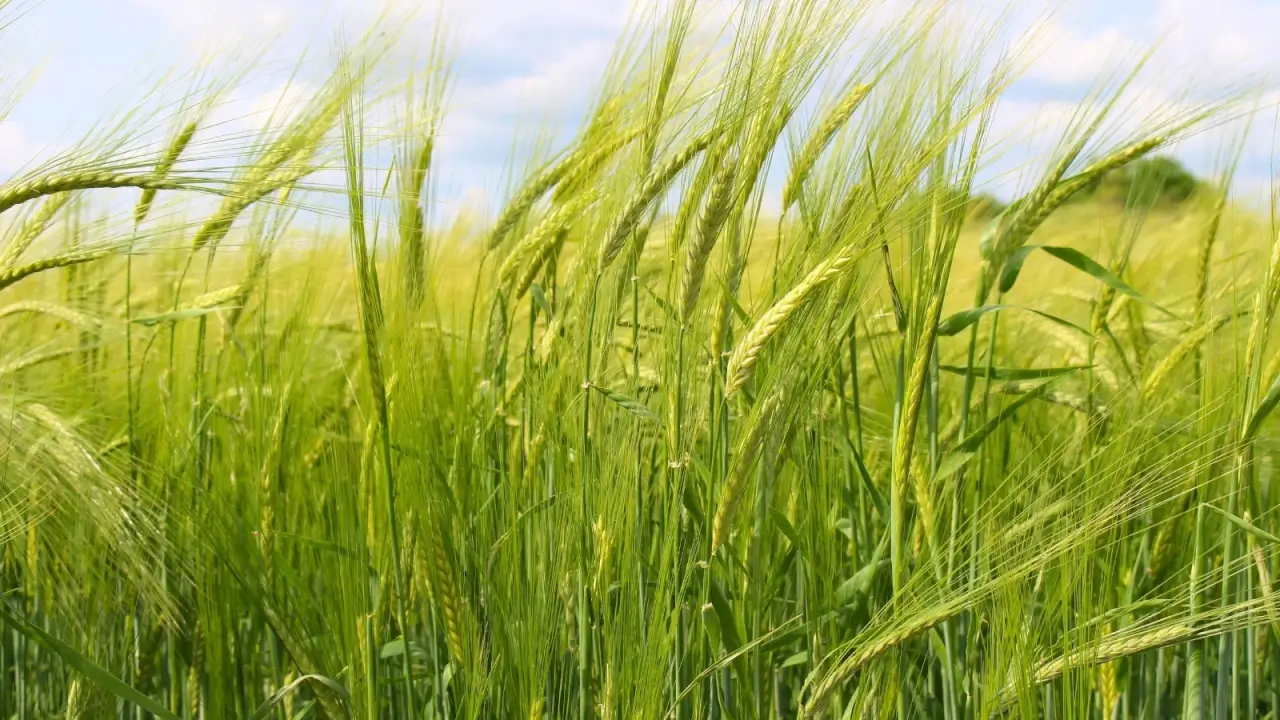
Interseeding can double output in the same amount of space.
Interseeding rye and barley between rows of corn is common practice on large-scale farms. This provides the landowner with two or three crops, which can all be sold. These share the same land, so the same amount of space is used, with double or triple the output.
On smaller farms, the general practice of interseeding can work in much the same way. Companion planting tomatoes with beans, cabbage with onions, or even a high-value crop with a pollinator-attracting flower that works for cut arrangements provides more revenue if both crops are successful.
The key to interplanting is timing. For corn and other grains, it’s important to stage plantings so there’s enough light for the shorter crop to grow. On a small farm, this could be as simple as planting a row of a taller crop, with the shorter one on the south side.
Having the option to sell both beets and carrots that you planted next to one another can bring in another set of earnings that takes less effort to grow, as it’s bolstered by its partner crop.
Provide Fodder for Animals

Try planting livestock fodder between rows, or species that attract your farm’s natural pest control.
On dual-purpose farm ranches, interseeding livestock fodder between rows offers the assurance that there will be food, even when winter is in full effect. The reverse is true as well. Recently, restoration ranchers have begun seeding legumes into stands of native grasses. This ensures there is feed for the animals and a crop to sell.
Farmers who employ turkeys or guinea hens to control grasshoppers and other insects could interplant crops that bring them into the fields where the insects are present. Leafy greens, clover, and millet are some easy options that attract both. Free-range chickens benefit from multiple options as well.
In silvopasture and agroforestry systems, interplant native grasses within timber stands to bring in livestock and shelter them from high heat and cold, and high winds. These grasses offer them a bit of nutrition while they wait out the weather.
Suppress Weeds

Plant a beneficial cover between rows to suppress weeds and improve soil health.
Annual and perennial weeds are common on frequently tilled land, and battling them every spring can be a serious chore. Because nature abhors a vacuum, interseed crops that cover the ground quickly with your row crops. Here, a cover crop is a good choice, but it’s not the only option.
Legumes of any kind will enrich the soil between rows. This improved composition will seep into nearby rows over time. Peas, oats, and clover are quick cover for areas between rows. Beans have multiple purposes, covering quickly, enriching soil, and potentially providing another crop for the market stand.
If the farm has a restorative purpose, a native ground cover is perfect. These offer shelter to wildlife, support soil microflora, and flowering covers support native insects, many of which offer pest control services.
Improve Soil Composition

Interseeded crops prevent loss of topsoil from erosion.
Chop and drop cover crops planted between rows and till them under to remediate the soil between highly productive seasons that can sometimes sap nutrients. This is one thing large-scale production operations may do to preserve and protect the soil, as monocrops tend to deplete nutrients over time.
On smaller farms, cover crops have multiple purposes. They suppress weeds, improve soil nutrient content, and attract beneficial insects and birds that control pests. Some crops have a remediation purpose, taking toxins out of the soil and transmuting them in their inner tissues.
Not only do rotations keep the soil intact, but interseeding does too. On inclines, interseeding with fast-growing cover crops preserves topsoil and prevents erosion. Farmers who work on steep ground can get a lot from the inclusion of interstitial crops between larger rows.
Bring in Beneficials

Increase pollination rates with flowers that attract your local pollinators.
Seeding pollinator plants and plants that support beneficial insects is perhaps one of the best ways to interseed on farmland. This is an important way to practice integrated pest management on the farm. While sticking to natives is a plus, which brings in the often neglected solitary bees, flies, wasps, and beetles that need support, it’s not completely necessary.
For pest controllers, plant adapted flowers with umbels. These compound blooms attract parasitic wasps, hoverflies, and aphid-devouring lady beetles. Avoid invasives in general to prevent unwanted spread that is hard to control. Different colored flowers attract different species as well. Bees prefer blue and purple, while moths appreciate white. Butterflies are all over the map.
Check in with the local Native Plant Society to determine which plantings are appropriate for your farmland, and to see what will provide the most support.
How to Fight Soil Nutrient Loss with Prairie Strips
As farmland degradation accelerates globally, prairie strips are emerging as a critical conservation solution. These strategic rows of native prairie plants, installed between crop fields, can reduce soil nutrient loss while restoring biodiversity to agricultural landscapes.
The post 5 Ways Interseeding Can Change the Farming Landscape appeared first on Modern Farmer.
From Modern Farmer via this RSS feed
You must log in or # to comment.